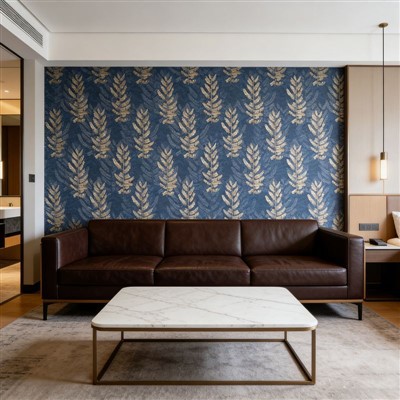
Hey there! As a supplier of engineering wall fabric, I'm often asked about the installation requirements for using our product on old walls. It's a crucial topic, especially for those looking to spruce up their old spaces. So, let's dive right in and explore what you need to know before installing engineering wall fabric on old walls.
Surface Preparation
The first and most important step is preparing the old wall surface. Old walls can have a variety of issues like cracks, peeling paint, or unevenness. Before you even think about putting up the engineering wall fabric, you've got to fix these problems.


First, clean the wall thoroughly. Use a mild detergent and a sponge to remove dirt, dust, and any loose paint. This will ensure that the fabric adheres properly. If there are cracks or holes in the wall, fill them with a suitable wall filler. Let it dry completely and then sand the area smooth. This step is crucial as any bumps or unevenness on the wall can cause the fabric to bubble or wrinkle after installation.
Wall Condition Assessment
It's essential to assess the overall condition of the old wall. Check for signs of moisture, mold, or mildew. If you find any of these issues, you need to address them before installation. Moisture can cause the fabric to peel or lose its adhesive properties over time. For mold and mildew, use a suitable cleaner to treat the affected areas. You might also want to consider using a primer that's resistant to moisture to prevent future problems.
Temperature and Humidity
The temperature and humidity of the room where you're installing the engineering wall fabric matter a great deal. The ideal temperature for installation is between 18°C - 24°C (64°F - 75°F). Extreme temperatures can affect the adhesive properties of the fabric. High humidity can also cause problems, as it may lead to the growth of mold or mildew behind the fabric. Make sure the room is well - ventilated during and after installation to maintain proper humidity levels.
Adhesive Selection
Choosing the right adhesive is key to a successful installation. There are different types of adhesives available, and you need to select one that's suitable for engineering wall fabric and old walls. Some adhesives work better on porous surfaces, while others are designed for non - porous ones. Read the manufacturer's instructions carefully to ensure you're using the correct adhesive. Also, test the adhesive on a small, inconspicuous area of the wall first to make sure it doesn't cause any damage or discoloration.
Measuring and Cutting
Accurate measurement is vital. Measure the wall dimensions carefully to ensure you cut the engineering wall fabric to the right size. Leave a little extra fabric around the edges for trimming after installation. Use a sharp utility knife to cut the fabric precisely. Make sure the cuts are straight and clean to ensure a professional - looking finish.
Installation Process
When you're ready to install the fabric, start from the top of the wall. Apply the adhesive evenly on the wall using a roller or a brush. Then, carefully place the fabric on the wall, starting from the top and smoothing it down as you go. Use a wallpaper smoother or a squeegee to remove any air bubbles and ensure good contact between the fabric and the wall. Work your way down the wall, overlapping the fabric slightly at the seams.
After - Care
Once the engineering wall fabric is installed, it's important to take proper care of it. Avoid touching the fabric for at least 24 hours to allow the adhesive to dry completely. Keep the room well - ventilated during this time. After the adhesive is dry, you can clean the fabric gently with a soft, dry cloth. Avoid using harsh chemicals or abrasive cleaners as they can damage the fabric.
Our Product Range
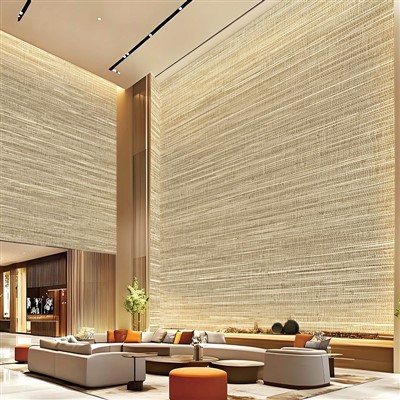
We offer a wide range of engineering wall fabric products. If you're looking for something for a hotel, check out our Hotel Decorative Wallpaper. It's designed to add a touch of elegance to hotel interiors. For areas where fire safety is a concern, our Firewall Fabric is a great choice. And if you're into interior design and want a vinyl - based option, take a look at our Interior Design Vinyl Wallpaper.
Why Choose Us
As a supplier, we pride ourselves on providing high - quality engineering wall fabric. Our products are durable, easy to install, and come in a variety of designs and colors to suit your needs. We also offer excellent customer support, so if you have any questions or run into any issues during installation, we're here to help.
Let's Connect
If you're interested in purchasing our engineering wall fabric or have any questions about the installation process, don't hesitate to reach out. We're more than happy to discuss your project and provide you with all the information you need. Whether you're a homeowner looking to renovate your old walls or a professional interior designer, we've got the right product for you. Start transforming your old walls today with our engineering wall fabric!
References
- Smith, J. (2020). Wall Covering Installation Guide. Home Improvement Press.
- Brown, A. (2019). Understanding Adhesives for Wall Fabrics. Construction Materials Journal.