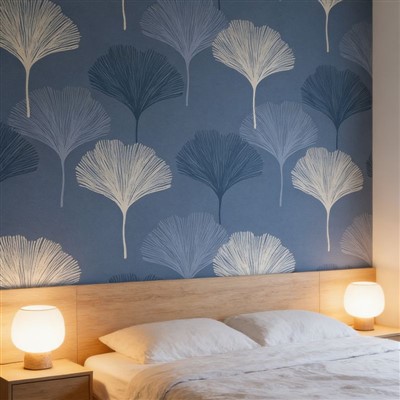
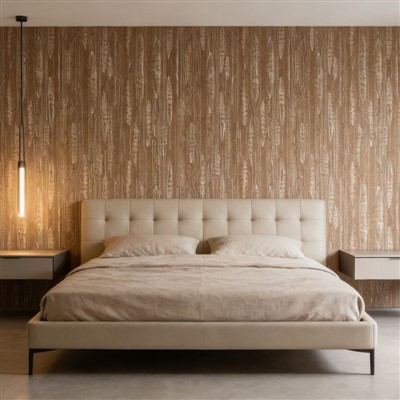
When it comes to installing eco-friendly print vinyl wallcovering, one of the most frequently asked questions is whether there is a specific temperature range that needs to be maintained. As a supplier of eco-friendly print vinyl wallcovering, I've encountered this query numerous times from both professional installers and DIY enthusiasts. In this blog, I'll delve into the importance of temperature during installation, the ideal temperature range, and how it affects the overall quality of the installation.
Why Temperature Matters in Vinyl Wallcovering Installation
Temperature plays a crucial role in the installation process of eco-friendly print vinyl wallcovering. Vinyl is a thermoplastic material, which means its physical properties can change significantly with temperature variations. At lower temperatures, vinyl becomes stiffer and less flexible, making it more difficult to handle and apply smoothly. It may also be more prone to cracking or tearing during installation. On the other hand, at higher temperatures, vinyl can become too soft and sticky, which can lead to issues such as uneven adhesion, wrinkles, and air bubbles.
Proper temperature control ensures that the vinyl wallcovering adheres well to the wall surface, provides a smooth and seamless finish, and maintains its durability over time. It also helps to prevent common installation problems such as curling, peeling, and bubbling, which can compromise the aesthetic appeal and functionality of the wallcovering.
The Ideal Temperature Range for Installation
Based on industry standards and our experience as a supplier, the ideal temperature range for installing eco-friendly print vinyl wallcovering is between 60°F (15°C) and 80°F (27°C). Within this range, the vinyl is at an optimal state of flexibility and adhesion, making it easier to handle and install.
At temperatures below 60°F (15°C), the vinyl may become brittle and difficult to manipulate. The adhesive on the back of the wallcovering may also not bond properly to the wall surface, resulting in poor adhesion and potential peeling over time. If you need to install the wallcovering in a cooler environment, it's recommended to pre-condition the vinyl by bringing it to room temperature for at least 24 hours before installation. This allows the vinyl to adjust to the ambient temperature and become more flexible.
On the other hand, at temperatures above 80°F (27°C), the vinyl can become too soft and sticky. This can make it challenging to position the wallcovering accurately and may result in uneven adhesion. Additionally, high temperatures can cause the adhesive to dry too quickly, which can lead to bubbles and wrinkles. If you're installing the wallcovering in a warm environment, it's important to work quickly and ensure that the wall surface is clean and dry before application.
Factors Affecting Temperature Requirements
While the ideal temperature range for installation is generally between 60°F (15°C) and 80°F (27°C), there are several factors that can affect the specific temperature requirements for your project. These include:
- Type of Vinyl Wallcovering: Different types of eco-friendly print vinyl wallcovering may have different temperature requirements. For example, some vinyl wallcoverings may be more flexible and less sensitive to temperature changes, while others may require a more specific temperature range for optimal installation. It's important to refer to the manufacturer's instructions for the specific product you're using to determine the recommended temperature range.
- Wall Surface: The type of wall surface can also affect the temperature requirements for installation. For example, a porous wall surface may absorb heat more quickly, which can cause the vinyl to dry too quickly and lead to adhesion issues. In contrast, a non-porous wall surface may retain heat, which can make the vinyl too soft and difficult to handle. It's important to prepare the wall surface properly before installation and ensure that it's clean, dry, and smooth.
- Humidity: Humidity levels can also affect the installation process of vinyl wallcovering. High humidity can cause the vinyl to absorb moisture, which can make it more difficult to handle and may lead to adhesion issues. On the other hand, low humidity can cause the vinyl to dry out too quickly, which can also lead to problems such as cracking and peeling. It's important to monitor the humidity levels in the installation area and take appropriate measures to control them if necessary.
Tips for Installing Vinyl Wallcovering in Different Temperatures
Here are some tips to help you install eco-friendly print vinyl wallcovering in different temperature conditions:
- Pre-condition the Vinyl: As mentioned earlier, it's important to pre-condition the vinyl by bringing it to room temperature for at least 24 hours before installation. This allows the vinyl to adjust to the ambient temperature and become more flexible.
- Use a Temperature-Controlled Environment: If possible, install the vinyl wallcovering in a temperature-controlled environment to ensure that the temperature remains within the recommended range. This can help to prevent issues such as cracking, peeling, and bubbling.
- Work Quickly: When installing the vinyl wallcovering in a warm environment, it's important to work quickly to prevent the adhesive from drying too quickly. Use a smooth, even pressure to apply the vinyl to the wall surface and ensure that there are no air bubbles or wrinkles.
- Use a Heat Gun or Hairdryer: If you're installing the vinyl wallcovering in a cooler environment, you can use a heat gun or hairdryer to warm up the vinyl and make it more flexible. Be careful not to overheat the vinyl, as this can cause it to melt or warp.
- Follow the Manufacturer's Instructions: Always follow the manufacturer's instructions for the specific product you're using. This includes the recommended temperature range, installation methods, and any other important information.
Our Eco-Friendly Print Vinyl Wallcovering Products
As a supplier of eco-friendly print vinyl wallcovering, we offer a wide range of products to meet the needs of our customers. Our products include Lightweight Vinyl Wall Print Fabric, Print-Ready Vinyl Wallpaper, and High-Resolution Print Vinyl Wallpaper. All of our products are made from high-quality, eco-friendly materials and are designed to provide a beautiful and durable wallcovering solution for any space.
If you're interested in learning more about our eco-friendly print vinyl wallcovering products or have any questions about installation, please don't hesitate to contact us. Our team of experts is always available to provide you with the information and support you need to make the right decision for your project.
Conclusion
In conclusion, temperature plays a crucial role in the installation process of eco-friendly print vinyl wallcovering. The ideal temperature range for installation is between 60°F (15°C) and 80°F (27°C), but there are several factors that can affect the specific temperature requirements for your project. By following the tips and guidelines outlined in this blog, you can ensure that your vinyl wallcovering installation is successful and that your walls look beautiful for years to come.


If you're interested in purchasing our eco-friendly print vinyl wallcovering products or have any questions about installation, please contact us. We'd be happy to help you find the perfect solution for your project.