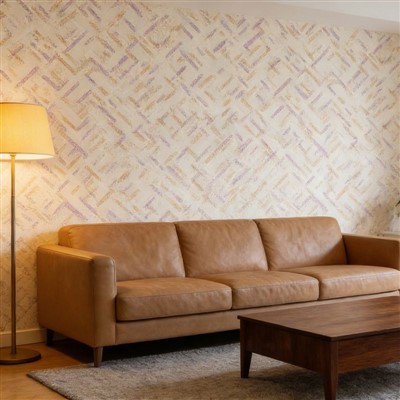
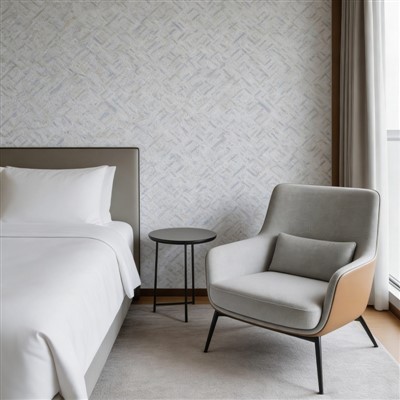
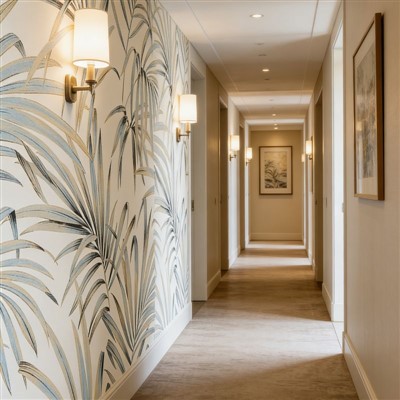
Engineering wall fabric has become an increasingly popular choice for interior wall decoration in various settings, from commercial buildings to residential homes. As a supplier of Engineering Wall Fabric, I am often asked about how this product affects indoor air quality. In this blog post, I will delve into the relationship between engineering wall fabric and indoor air quality, exploring both the positive and negative aspects, and providing insights for those concerned about creating a healthy indoor environment.
Understanding Indoor Air Quality
Indoor air quality (IAQ) refers to the quality of air within and around buildings, especially as it relates to the health and comfort of building occupants. Poor IAQ can lead to a variety of health problems, including respiratory issues, allergies, headaches, and fatigue. Common sources of indoor air pollution include volatile organic compounds (VOCs), particulate matter, mold, and bacteria.
Positive Impacts of Engineering Wall Fabric on Indoor Air Quality
Low VOC Emissions
One of the key advantages of engineering wall fabric is its low VOC emissions. VOCs are chemicals that can vaporize at room temperature and are commonly found in many building materials, paints, and adhesives. High levels of VOCs in indoor air can cause irritation to the eyes, nose, and throat, as well as more serious health problems over time.
Our Engineering Wall Fabric is designed to meet strict environmental standards and has low VOC emissions. This means that when installed in a building, it releases minimal amounts of harmful chemicals into the air, helping to maintain a healthy indoor environment.
Easy to Clean and Maintain
Engineering wall fabric is typically easy to clean and maintain, which can contribute to better indoor air quality. Regular cleaning helps to remove dust, dirt, and other pollutants that can accumulate on the surface of the walls. By keeping the walls clean, we can reduce the amount of particulate matter in the air, which is beneficial for people with respiratory conditions such as asthma.
Resistance to Mold and Mildew
Mold and mildew can grow in damp and humid environments, and they can release spores into the air, which can cause allergic reactions and other health problems. Engineering wall fabric is often treated with anti - mold and mildew agents, making it more resistant to the growth of these fungi. This helps to prevent the spread of mold spores in the indoor air, contributing to a healthier living or working environment.
Negative Impacts of Engineering Wall Fabric on Indoor Air Quality
Adhesive and Installation
The installation of engineering wall fabric often requires the use of adhesives. Some adhesives can emit high levels of VOCs during the installation process. If the installation is not carried out in a well - ventilated area, these VOCs can accumulate in the indoor air and cause temporary air quality issues.
To mitigate this problem, it is important to choose low - VOC adhesives and ensure proper ventilation during the installation process. Our company provides guidance on the selection of suitable adhesives and installation practices to minimize the impact on indoor air quality.
Potential for Dust and Allergens
Although engineering wall fabric is easy to clean, it can still collect dust and allergens over time. If not cleaned regularly, these particles can be released into the air, especially when there is movement or air circulation in the room. This can be a concern for people with allergies or respiratory sensitivities.
Comparing with Other Wall Coverings
Firewall Fabric
Firewall Fabric is another type of wall covering that is often used in commercial and public buildings for its fire - resistant properties. While firewall fabric also has low VOC emissions and is easy to clean, it may have different surface characteristics compared to engineering wall fabric.
Firewall fabric is designed to withstand high temperatures and prevent the spread of fire, which makes it a suitable choice for areas where fire safety is a major concern. However, in terms of overall indoor air quality, both engineering wall fabric and firewall fabric can contribute to a healthy indoor environment when properly installed and maintained.
Medical Antibacterial Vinyl Wallpaper
Medical Antibacterial Vinyl Wallpaper is specifically designed for use in medical facilities, where hygiene and infection control are of utmost importance. This type of wallpaper has antibacterial properties that can help to reduce the growth of bacteria on the wall surface.
Compared to engineering wall fabric, medical antibacterial vinyl wallpaper may have a more targeted function in terms of indoor air quality, as it can help to prevent the spread of harmful bacteria in the air. However, engineering wall fabric can also play a role in maintaining a clean and healthy indoor environment through its low VOC emissions and ease of cleaning.
Tips for Maintaining Good Indoor Air Quality with Engineering Wall Fabric
- Proper Installation: Ensure that the engineering wall fabric is installed by a professional using low - VOC adhesives in a well - ventilated area.
- Regular Cleaning: Clean the wall fabric regularly using a mild detergent and a soft cloth. This will help to remove dust, dirt, and other pollutants.
- Ventilation: Maintain good ventilation in the room by opening windows or using mechanical ventilation systems. This will help to remove any pollutants that may be present in the air.
- Inspection: Regularly inspect the wall fabric for signs of damage, mold, or mildew. If any issues are detected, take appropriate measures to address them promptly.
Conclusion
Engineering wall fabric can have a significant impact on indoor air quality. When properly selected, installed, and maintained, it can contribute to a healthy and comfortable indoor environment by reducing VOC emissions, preventing the growth of mold and mildew, and being easy to clean.


As a supplier of Engineering Wall Fabric, we are committed to providing high - quality products that meet the highest environmental and safety standards. If you are interested in learning more about our engineering wall fabric or have any questions about its impact on indoor air quality, please feel free to contact us for a consultation. We look forward to discussing your specific needs and helping you create a healthy and beautiful indoor space.
References
- American Society of Heating, Refrigerating and Air - Conditioning Engineers (ASHRAE). (2019). ASHRAE Standard 62.1 - 2019: Ventilation for Acceptable Indoor Air Quality.
- World Health Organization (WHO). (2018). Guidelines for indoor air quality: selected pollutants.
- U.S. Environmental Protection Agency (EPA). (2020). Indoor Air Quality.