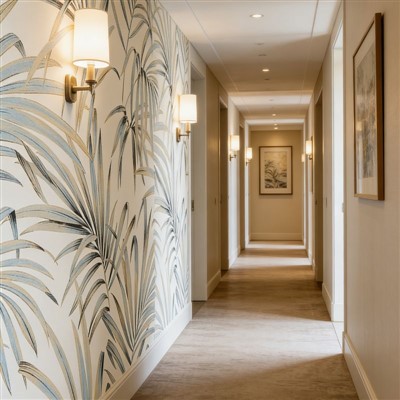
Wallpaper has long been a staple in interior design, providing a simple yet effective way to transform the look and feel of a space. Among the various types of wallpapers available, regular wallpaper and interior design vinyl wallpaper stand out as popular choices. As a supplier of interior design vinyl wallpaper, I am often asked about the differences between these two types of wallpapers. In this blog post, I will delve into the characteristics, advantages, and applications of regular wallpaper and interior design vinyl wallpaper to help you make an informed decision for your next interior design project.
Composition and Material
Regular wallpaper is typically made from paper or fabric. Paper wallpaper is the most common type, which can be further divided into several sub - types such as embossed paper, vinyl - coated paper, and non - woven paper. Fabric wallpaper, on the other hand, is made from natural or synthetic fibers and offers a more luxurious and textured look.
Interior design vinyl wallpaper, as the name suggests, is made with a vinyl layer. The vinyl can be applied to a paper or non - woven backing. The vinyl layer provides additional durability and functionality to the wallpaper. There are different grades of vinyl used in wallpaper production, and high - quality vinyl wallpapers can offer excellent performance in various environments.


Durability and Resistance
One of the most significant differences between regular wallpaper and interior design vinyl wallpaper lies in their durability. Regular wallpaper, especially paper - based ones, is more prone to damage. They can be easily torn, scratched, or stained. In high - traffic areas or spaces with children and pets, paper wallpaper may not hold up well over time.
Interior design vinyl wallpaper, however, is much more durable. The vinyl layer acts as a protective barrier, making it resistant to scratches, stains, and moisture. For example, Antibacterial Vinyl Wall Covering is a type of interior design vinyl wallpaper that not only resists physical damage but also has antibacterial properties, making it suitable for areas where hygiene is a concern, such as hospitals, kitchens, and bathrooms.
In addition, Flame - retardant Vinyl Wallpaper is another example of the enhanced functionality of vinyl wallpaper. It can help prevent the spread of fire in case of an emergency, providing an extra layer of safety in commercial and residential settings.
Maintenance
Maintenance is also a crucial factor when choosing between regular wallpaper and interior design vinyl wallpaper. Regular wallpaper requires gentle cleaning. For paper wallpaper, using a dry or slightly damp cloth is usually recommended to avoid damaging the paper. Any attempt to use harsh cleaning agents can cause the wallpaper to discolor or peel.
Interior design vinyl wallpaper is much easier to maintain. It can be wiped clean with a damp cloth and mild detergent. This makes it a great choice for areas that are prone to dirt and grime, such as hallways, entryways, and kitchens. The ability to clean the wallpaper easily ensures that it retains its appearance for a longer time.
Design and Aesthetic Options
Both regular wallpaper and interior design vinyl wallpaper offer a wide range of design options. Regular wallpaper can provide a more traditional and classic look. Paper wallpapers often come in patterns such as floral, geometric, and damask, which can add a touch of elegance to a room. Fabric wallpapers, with their natural textures, can create a warm and inviting atmosphere.
Interior design vinyl wallpaper, on the other hand, offers more versatility in terms of design. The vinyl layer can be printed with high - resolution images, allowing for a vast array of patterns and colors. It can mimic the look of natural materials such as wood, stone, or leather, providing a cost - effective alternative to using real materials. Moreover, vinyl wallpaper can be customized to meet specific design requirements, making it a popular choice for designers who want to create unique and personalized spaces.
Cost
Cost is an important consideration for many consumers. Regular wallpaper is generally more affordable, especially the basic paper - based options. However, the cost can vary depending on the quality, design, and brand. High - end fabric wallpapers can be quite expensive.
Interior design vinyl wallpaper may have a higher upfront cost compared to regular wallpaper. However, considering its durability and low maintenance requirements, it can be a cost - effective choice in the long run. The ability to last longer and resist damage means that you won't have to replace the wallpaper as frequently, saving you money over time.
Applications
Regular wallpaper is commonly used in low - traffic areas such as bedrooms, living rooms, and home offices. Its delicate nature makes it suitable for creating a cozy and comfortable atmosphere.
Interior design vinyl wallpaper has a much wider range of applications. Thanks to its durability and resistance, it can be used in high - traffic areas such as commercial buildings, hotels, restaurants, and public spaces. As mentioned in Extensive Use Of Vinyl Wallpaper, vinyl wallpaper is also popular in educational institutions, healthcare facilities, and retail stores.
Conclusion
In conclusion, regular wallpaper and interior design vinyl wallpaper have their own unique characteristics, advantages, and applications. Regular wallpaper is a great choice for those who prefer a traditional look and are on a tight budget. It is suitable for low - traffic areas where aesthetics are the primary concern.
On the other hand, interior design vinyl wallpaper offers enhanced durability, functionality, and design options. It is ideal for high - traffic areas and spaces where hygiene, safety, and easy maintenance are important.
If you are considering a wallpaper for your next interior design project, I encourage you to explore the possibilities of interior design vinyl wallpaper. Our company offers a wide range of high - quality vinyl wallpapers that can meet your specific needs and design preferences. Whether you are a homeowner, an interior designer, or a commercial property owner, we are here to help you find the perfect wallpaper for your space. Contact us to start a discussion about your project and let's work together to create a beautiful and functional interior.
References
- "Wallpaper: A History" by Jane Spooner
- "Interior Design Handbook" by Madeline Stuart