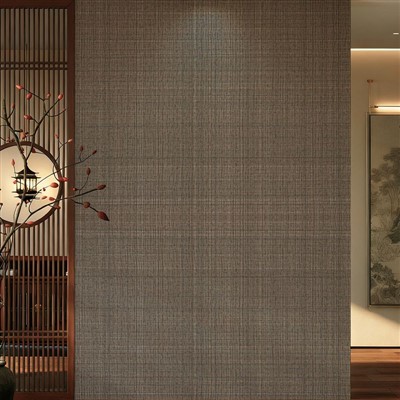
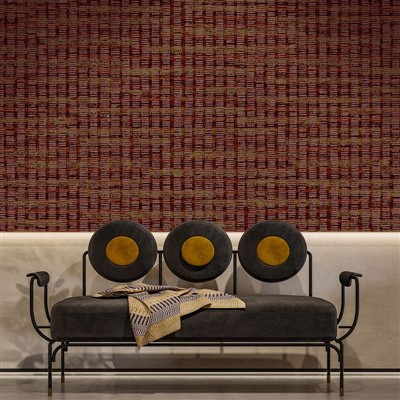
The lifespan of wallpaper depends heavily on its material type. Ordinary paper-based wallpaper is thin and easily affected by moisture, typically lasting 5 to 10 years in normal conditions, while lower-quality products may show peeling and fading in just 3 to 5 years. PVC wallpaper, with its plastic film coating, is waterproof and wear-resistant, making it suitable for damp areas like kitchens. Its lifespan is similar to ordinary paper-based wallpaper, also 5 to 10 years. Non-woven wallpaper is breathable and less prone to moisture and mold, lasting 8 to 10 years with proper maintenance, making it the most durable of the three materials.
The environment significantly impacts wallpaper lifespan, especially humidity and sunlight. In humid environments, such as in southern regions or near kitchens and bathrooms, wallpaper easily absorbs moisture, swells, and develops mold. When humidity exceeds 70%, wallpaper may need replacement in 5 to 8 years; if the wall is not treated for moisture resistance, the lifespan will be even shorter. Regarding sunlight, direct sunlight can cause light-colored wallpaper to fade and the edges to curl, especially on walls near windows. Under prolonged exposure, wallpaper may show significant aging in 3 to 5 years; regular use of curtains is recommended.
Proper daily maintenance can significantly extend wallpaper lifespan. Before installation, ensure the wall is dry and smooth; cement work requires 20 to 40 days of curing. For areas near kitchens and bathrooms or on lower floors, it's best to apply a moisture-proof paint to prevent future moisture damage. During installation, clean up excess adhesive and keep tools and hands clean to prevent stains from affecting the adhesion. Daily use requires attention to ventilation and moisture control; close windows during humid weather and open them for ventilation on sunny days; use a dehumidifier during the rainy season to control humidity, ideally maintaining it between 40% and 60% RH. Regular cleaning is also important; use a vacuum cleaner or feather duster weekly to remove dust, especially for embossed and non-woven wallpapers; clean stains with a dry cloth or neutral detergent, avoiding water penetration into the underlying layers. Address problems promptly; repair peeling edges and mold spots immediately with wallpaper adhesive. Small damages can be repaired locally, but extensive damage requires complete replacement.