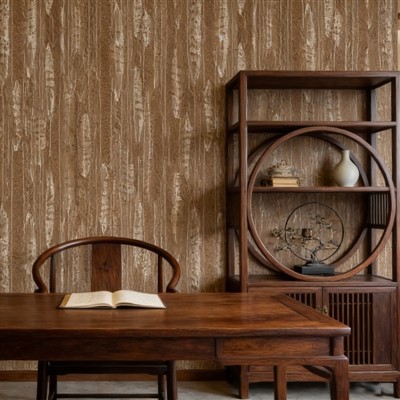
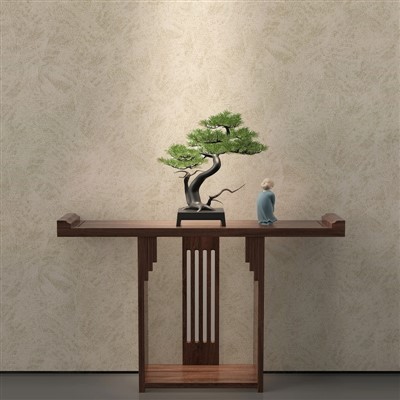
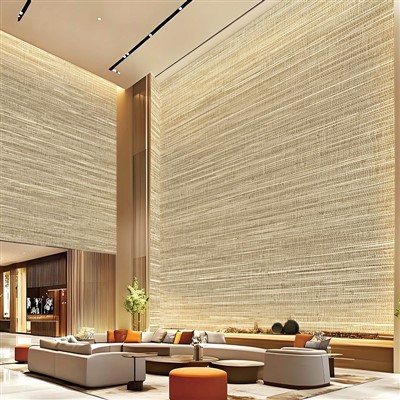
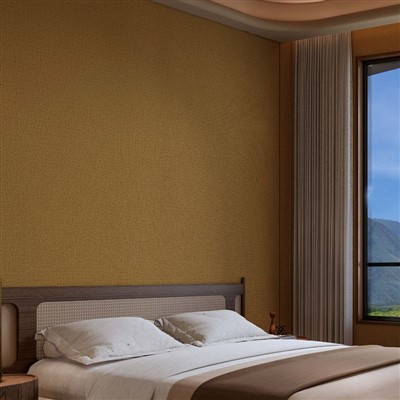
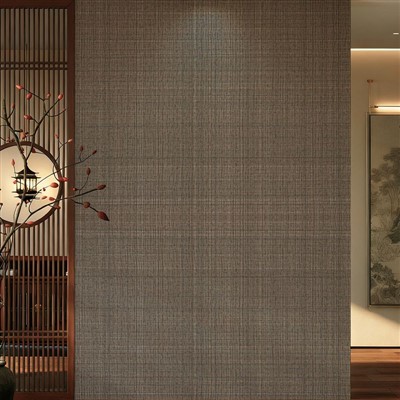
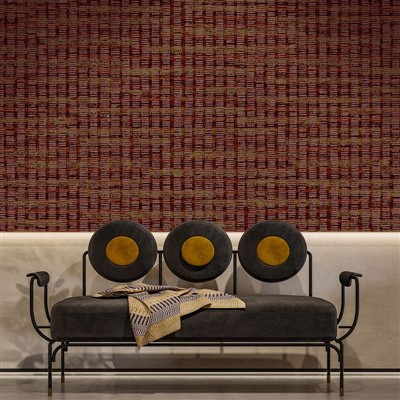
Vinyl wallpaper is a wall decoration material made primarily of polyethylene resin. It is a type of wallpaper known for its durability and decorative effect. Vinyl wallpaper is typically composed of polyethylene resin, fillers, pigments, and additives, and is produced through processes such as extrusion, embossing, and printing to create various patterns and designs.
Vinyl wallpaper, commonly referred to as PVC wallpaper, is a type of wallpaper made primarily from polyvinyl chloride resin. It belongs to the vinyl polymer product category and is generally considered non-toxic and environmentally friendly.
Structurally, vinyl wallpaper is mainly divided into three types:
Standard type: Uses paper as the base material, with a surface coated with PVC resin and decorated through printing or embossing.
Foamed type: The base material is coated with more PVC resin, and after foaming, it forms a textured surface with sound-absorbing properties.
Functional type: Such as waterproof wallpaper (using fiberglass cloth as the base material) and fire-resistant wallpaper (containing flame retardants), suitable for damp or special environments.
Its main characteristics include:
Waterproof and moisture-proof: Surface stains can be wiped clean with a damp cloth, making it suitable for areas like kitchens and bathrooms.
Durable and easy to maintain: The waterproof coating and wear resistance make it long-lasting.
Strong decorative appeal: It can simulate textures such as wood grain and tiles, offering a variety of patterns and three-dimensional effects.
In terms of application, vinyl wallpaper is widely used in homes and commercial spaces, especially common in the Japanese market. It typically comes in 92cm widths, and overlapping cutting techniques are used during installation to minimize seams.