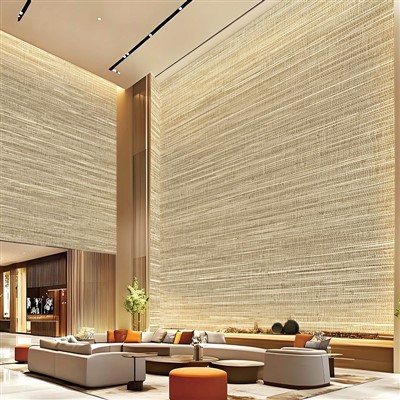
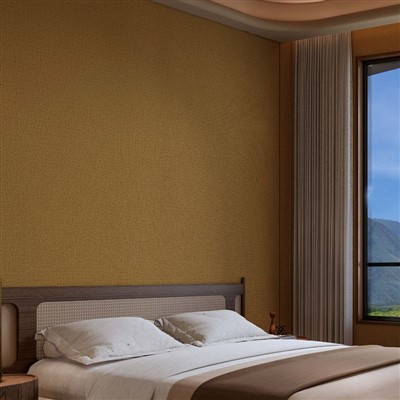
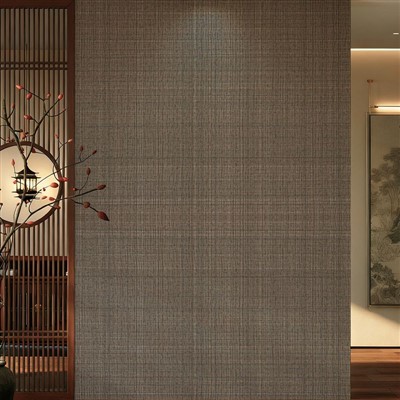
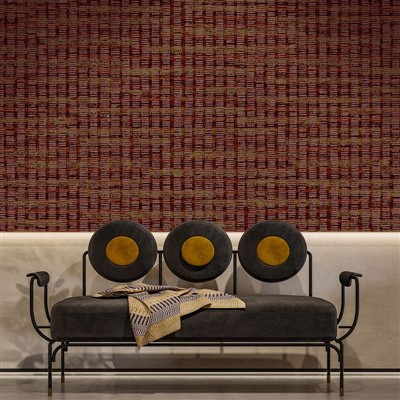
The functional focuses differ. Commercial wallpaper is used in public environments, so qualified commercial wallpaper must comply with national fire safety regulations and meet or exceed the B1 flame-retardant standard. Residential wallpaper, on the other hand, focuses more on ease of daily use and maintenance, thus requiring higher standards for waterproofing and stain resistance.
It's crucial to note that waterproofing and flame retardancy are mutually exclusive; you can only choose one. Be wary of sellers claiming to offer both.
The price difference between commercial and residential wallpaper is significant. The standards for commercial and residential wallpaper differ, resulting in a substantial quality gap. Commercial wallpaper is typically sold wholesale in large quantities, with less stringent requirements, and prices are generally around ten to twenty yuan per square meter.
Residential wallpaper has higher requirements, and consequently, prices are higher. Even high-quality commercial wallpaper can achieve a level of skin-friendliness suitable for infants, meeting the Class A textile standard. If you're looking for value for money, consider solid-color wallpaper. For greater durability and more visual interest, opt for a more luxurious option.
The difference between commercial and residential wallpaper: The patterns differ significantly. Commercial wallpapers are typically used for large areas, so they tend to be solid colors and simpler patterns. Residential wallpapers, on the other hand, can be chosen to match the overall style, using a main pattern and complementary designs to add depth and dimension to your home. For sofa backdrops or entryways, custom-made single-panel wallpapers can be a stylish choice.
Therefore, there's a considerable difference between commercial and residential wallpapers. Using the right wallpaper for the right space will yield better results. For large public spaces, choose commercial wallpapers; for your home, higher-quality residential wallpapers are sufficient.