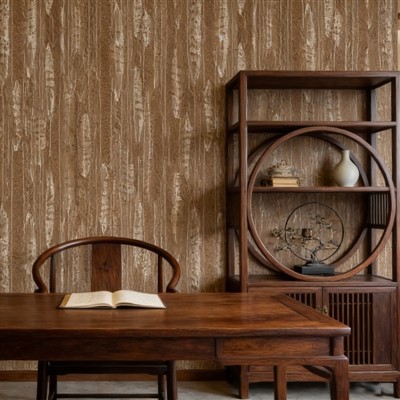
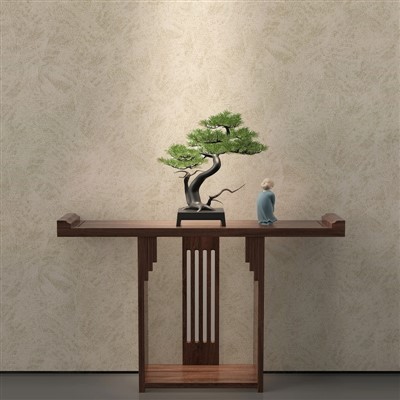
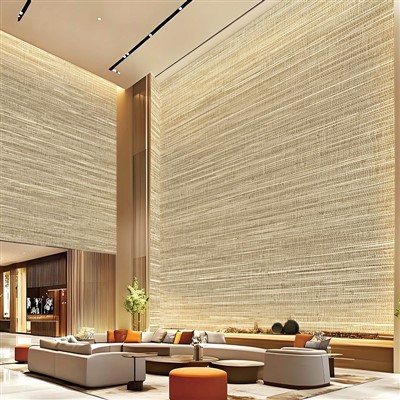
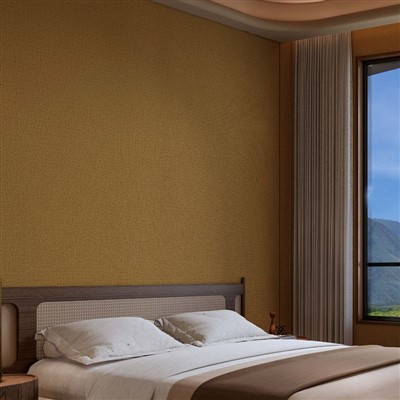
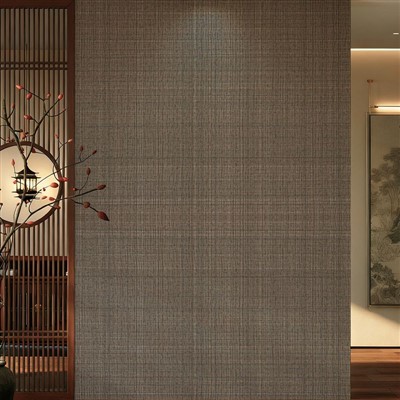
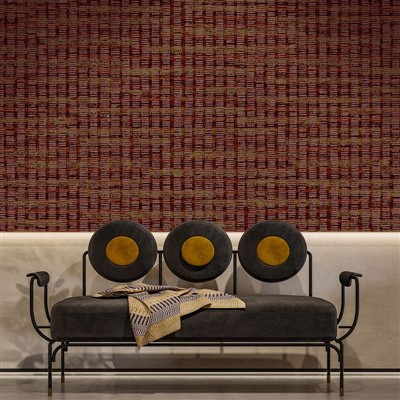
Choosing project wallpaper involves considering many factors. First, material is a key factor. Common project wallpaper materials include pure paper, non-woven fabric, and PVC. Pure paper wallpaper is favored for its good environmental performance, but its moisture resistance is relatively weak, making it suitable for use in dry environments. Non-woven wallpaper is known for its excellent breathability and soft texture, adding warmth to a space. PVC wallpaper, on the other hand, performs well in humid or high-abrasion environments due to its superior waterproof and abrasion-resistant properties.
In terms of craftsmanship, different processing techniques give wallpaper different appearances and properties. Jacquard weaving, through fine weaving techniques, gives the wallpaper pattern a strong three-dimensional effect, adding depth to the space. Printing, through printing technology, allows for a wide variety of pattern designs to meet personalized needs. In addition, there are embossing, embroidery, and other techniques to choose from, each with its unique artistic effect and applicable scenarios.
Choosing the right size is equally important. Project wallpaper usually offers various widths and lengths to meet the needs of different wall surfaces. When choosing wallpaper, minimize splicing to ensure overall aesthetics. Also, consider the wallpaper's elasticity to prevent deformation or cracking due to changes in humidity.
Color selection is also crucial. Light-colored wallpaper creates a bright and spacious atmosphere, suitable for small spaces or poorly lit areas. Dark-colored wallpaper creates a calm and dignified atmosphere, suitable for large public spaces or places requiring a specific ambiance. When choosing a color, consider the function and style of the space to ensure the wallpaper coordinates with the overall decor.
Furthermore, pay attention to the wallpaper's environmental performance and durability. Choosing wallpaper products that meet national environmental standards ensures indoor air quality and protects residents' health. Durable wallpaper also reduces replacement frequency and maintenance costs.
In conclusion, selecting wallpaper for projects requires comprehensive consideration of factors such as material, craftsmanship, size specifications, color, environmental performance, and durability. By weighing these factors, a suitable choice can be made to meet the needs of different projects.